
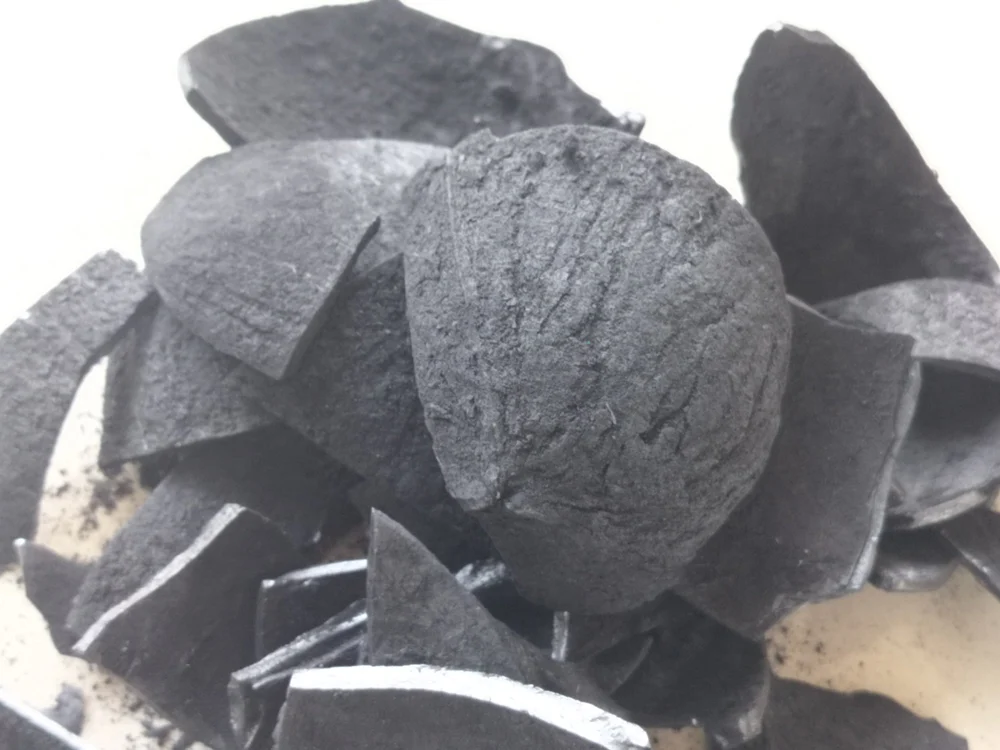
Coconut charcoal is an eco-friendly and sustainable fuel option created from coconut shells. Learning how to make coconut charcoal allows you to turn what is often considered waste into a valuable energy source. Coconut charcoal provides a cleaner-burning alternative compared to traditional wood charcoal, making it a practical choice for environmentally conscious users.
For those interested in cooking or grilling, learning how to make coconut charcoal can be both practical and rewarding. The process converts dried coconut shells into a durable fuel that burns longer and more efficiently, offering a high-quality heat source for various applications.
Step 1: Collect and Prepare Coconut Shells
The first step in making coconut charcoal is to gather mature coconut shells. After removing both the husk and the flesh, make sure to wash the shells thoroughly to get rid of any leftover coconut meat or dirt.
Once the shells are clean, let them dry completely under the sun. Fully dried shells are easier to handle and will yield higher-quality charcoal with less smoke during the carbonization process.
Step 2: Choose Your Carbonization Method
There are two common methods to produce coconut charcoal: the traditional pit method and the drum kiln method. The pit method involves digging a hole in the ground, placing the dried shells inside, and covering them with soil to restrict airflow. The drum kiln method uses a metal drum with a small opening to control the burning process. Both methods aim to heat the coconut shells in a low-oxygen environment to remove moisture and volatile substances without completely burning them.
Step 3: Begin the Carbonization Process
Place the dried coconut shells into your chosen carbonization setup. Light a small fire underneath or around the shells to slowly heat them. Maintain a steady temperature and avoid excess oxygen, which could cause the shells to burn completely instead of converting into charcoal. The process can take several hours, depending on the quantity of shells and the method used. During this stage, smoke will appear, which is a natural part of the carbonization process.
Step 4: Cool and Store the Charcoal
Once the shells have turned black and the smoke has subsided, allow the charcoal to cool completely before handling. Removing them while still hot may cause the charcoal to ignite or break into powder. Once cooled, break the larger pieces into manageable sizes if necessary and store them in a dry, airtight container. Proper storage ensures the charcoal remains dry and retains its quality for future use.
Step 5: Optional Briquette Formation
For those who want a more uniform and convenient fuel, coconut charcoal can be pressed into coconut shell charcoal briquette forms. This involves grinding the charcoal into powder, mixing it with a natural binder such as starch, and compressing it into desired shapes. Briquettes are easier to transport, burn consistently, and are ideal for cooking or heating purposes.
Conclusion
Learning how to make coconut charcoal provides more than just a practical fuel source; it also helps reduce waste from discarded coconut shells. By converting these shells into usable charcoal, you contribute to a more sustainable and eco-friendly approach to energy production.
Whether used as raw charcoal or formed into coconut shell charcoal briquette, this material burns cleanly and lasts longer than traditional wood charcoal. Its durability and environmental benefits make it an excellent choice for both personal and commercial use.