
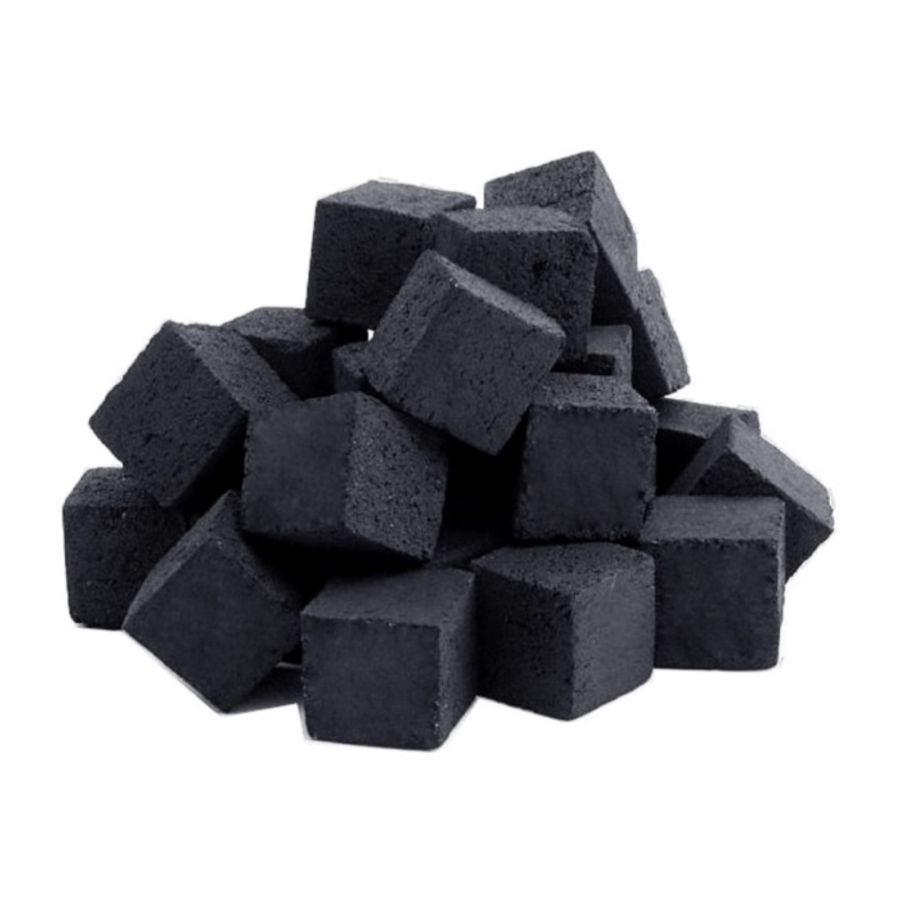
As the world continues to explore cleaner energy solutions, eco-friendly briquettes have emerged as a smart, sustainable alternative to traditional fuels like coal and firewood. Among them, the coconut shell charcoal briquette stands out for its efficiency, clean combustion, and use of agricultural waste. But coconut shell briquettes are just one example—there are several types of eco-friendly briquettes used around the world today.
What Are Eco-Friendly Briquettes?
Eco-friendly briquettes are solid fuel blocks made by compressing biomass materials such as wood, sawdust, agricultural waste, and even paper. Unlike fossil fuels, these briquettes are renewable, carbon-neutral (or close to it), and often made from waste materials that would otherwise be discarded.
These briquettes are designed to replace traditional fuels while offering better efficiency and lower emissions, making them ideal for cooking, heating, and even industrial applications.
Common Types of Eco-Friendly Briquettes
There are several popular types of eco-friendly briquettes, each with unique properties based on their raw materials. Below are some of the most widely used:
1. Coconut Shell Charcoal Briquettes
Derived from discarded coconut shells, this briquette is popular in tropical regions like Indonesia, the Philippines, and India. It has several key advantages:
- High calorific value (burns hotter)
- Long-lasting heat
- Low smoke and ash production
- Ideal for BBQ, shisha, and industrial use
The coconut shell charcoal briquette is especially valued in export markets due to its clean burn and compact shape.
2. Sawdust Briquettes
Sawdust briquettes are made by compressing dry sawdust into solid blocks or cylinders. These are commonly used in biomass stoves and furnaces. Advantages include:
- Easy ignition
- Uniform shape and size
- Made from wood industry byproducts
However, they typically produce more ash compared to coconut-based briquettes.
3. Rice Husk Briquettes
Rice husks are another agricultural waste product widely used for briquetting. These briquettes are especially common in countries with large rice production. Benefits include:
- Readily available material
- Low production cost
- Suitable for cooking and small-scale heating
4. Charcoal Dust Briquettes
This type uses leftover charcoal dust that’s collected, mixed with a binder, and compressed into briquettes. It helps recycle charcoal waste and is commonly used in households. While not entirely smokeless, it burns more cleanly than raw charcoal.
Other Innovative Briquette Types
Some eco-friendly briquettes are made from materials like:
- Corn stalks
- Paper waste
- Bagasse (sugarcane residue)
- Coffee husks
These options vary in heat value and availability, but all contribute to waste reduction and renewable energy efforts.
Conclusion
Understanding the types of eco-friendly briquettes is key to choosing the right fuel for your needs—whether for home cooking, heating, or export. From the high-performing coconut shell charcoal briquette to more accessible options like sawdust and rice husk briquettes, each type plays a role in promoting cleaner, greener energy. As global demand for sustainable fuel grows, eco-briquettes will continue to power a more responsible future.