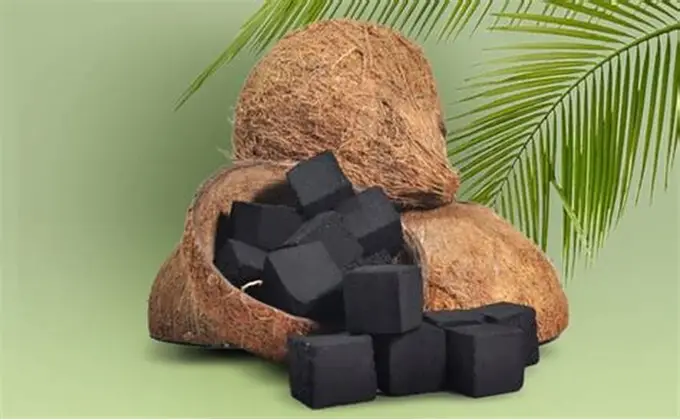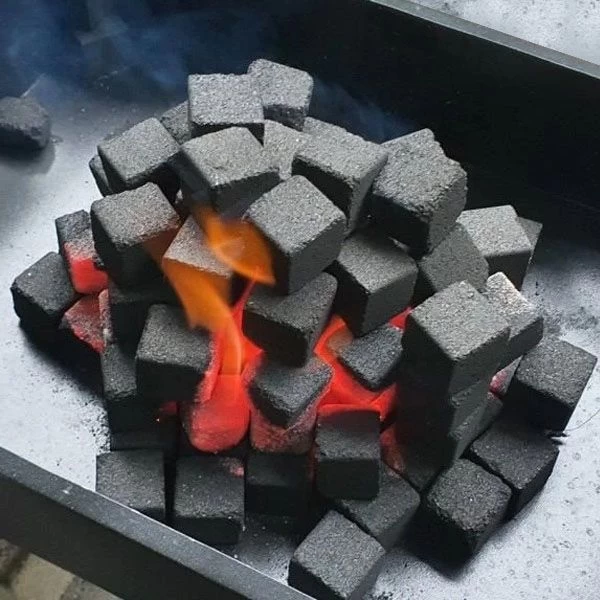
Low and slow barbecue techniques continue gaining popularity across global grilling communities. Selecting the best charcoal for slow smoking determines cooking stability and flavor consistency. Extended smoking sessions require fuel capable of maintaining steady temperatures. Inconsistent combustion can ruin texture, tenderness, and overall meat quality. Understanding charcoal characteristics helps buyers choose suitable export grade products.
Understanding Low and Slow Smoking Technique
Low and slow cooking involves maintaining controlled temperatures for many hours. Typical smoking temperatures range between two hundred and two hundred fifty degrees Fahrenheit. Stable combustion ensures even heat distribution throughout the smoker chamber. Charcoal density directly influences burn duration and temperature retention. Airflow management regulates oxygen supply and combustion speed. Reliable charcoal prevents sudden heat spikes during long sessions. Consistent temperature allows collagen breakdown and enhanced flavor absorption.
Types of Charcoal Suitable for Slow Smoking
Charcoal briquettes are manufactured with uniform size and density. Their predictable structure supports consistent and extended burning performance. Briquettes are ideal for maintaining stable low temperatures. Lump charcoal consists of natural hardwood pieces without binders. It ignites quickly and produces strong initial heat output. However lump charcoal may burn unevenly during prolonged cooking. Coconut shell briquettes offer higher carbon content and durability. They generate minimal ash and cleaner combustion inside smokers.
Best Charcoal for Slow Smoking Key Selection Factors
Burn duration remains a critical consideration for smoking efficiency. Long lasting charcoal reduces the need for frequent refueling. Heat stability ensures steady cooking without unwanted temperature fluctuations. Balanced combustion improves airflow response within smoker systems. Ash production affects oxygen circulation during extended cooking sessions. Lower ash residue keeps vents and airflow channels clear. Smoke cleanliness influences the final taste of smoked meats. Charcoal without chemical additives enhances flavor authenticity and safety.
Export Perspective What Global Buyers Consider
International buyers evaluate packaging durability for container transportation reliability. Moisture control protects charcoal from degradation during long shipping periods. Uniform briquette sizing improves pallet stacking and warehouse efficiency. Quality certifications strengthen product credibility in competitive retail markets. Private label manufacturing offers branding advantages for distributors. Freight optimization strategies reduce overall logistics costs per shipment. Reliable production capacity ensures consistent supply for recurring orders.
Why Briquettes Are Preferred for Low and Slow Cooking
Briquettes provide superior temperature control compared to irregular lump charcoal. Their compact structure allows predictable airflow adjustments within smokers. Extended burn cycles support uninterrupted cooking for several hours. Many professionals associate consistent performance with best charcoal briquettes for low and slow.
Restaurants prefer briquettes for reliable results in commercial kitchens. Backyard enthusiasts value steady heat during weekend smoking sessions. Market demand increasingly favors briquettes in premium barbecue segments.
Business Opportunity in Slow Smoking Segment
The global barbecue market continues expanding steadily each year. Smoked meat culture grows across North America, Europe, and Asia. Retail and horeca sectors demand dependable charcoal supply partners. High quality briquettes offer competitive margins for international importers. Long term contracts create stable export growth opportunities.

Penulis